Vanila: A Handwritten Font for Web Design
There I was, staring at a blank hero section on a new client’s website, trying to find the right visual voice for their brand. They wanted something elegant but approachable, something that felt personal yet professional. That’s when I reached for Vanila.
Vanila in Digital Layouts
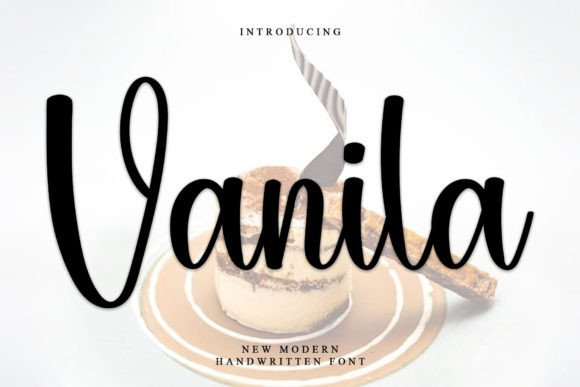
Vanila is a handwritten script font with a refined edge, perfect for adding a touch of personality to digital projects. Its flowing lines and soft curves give it a warm, inviting feel that works well in web design. I tested it across several layouts—headers, buttons, call-to-action sections—and found it consistently effective.
On a landing page for a boutique online store, Vanila brought a sense of craftsmanship to the headline. It paired beautifully with a clean sans serif for the body text, creating a visual contrast that guided the eye without overwhelming the reader. The font’s natural flow made it ideal for short phrases, such as “Handmade with Love” or “Limited Edition,” which are common in e-commerce copy.
Responsive Design and Readability
One of my first concerns was how Vanila would perform on mobile screens. I checked it on smaller devices and found that it remained legible, especially when used in larger sizes. For buttons and headlines, it worked well, but I wouldn’t recommend using it for long paragraphs or dense text blocks.
On dark backgrounds, Vanila stood out nicely, maintaining its elegance without losing clarity. When placed over image banners or gradient overlays, it added a subtle layer of sophistication. However, I noticed that on very light backgrounds, the font could appear a bit washed out, so adjusting the contrast was necessary in those cases.
Brand Identity and User Engagement
Vanila has a unique ability to elevate a brand’s visual identity. In a creative portfolio site, it helped convey a sense of artistry and attention to detail. It felt like a signature touch, one that could be used in logos, headings, or even as part of a custom icon set.
I also experimented with it on a blog header, where it served as the main title. The font’s softness balanced well with modern, minimal design elements, making the content feel more human and less automated. This kind of emotional connection can make a big difference in user engagement, especially on sites that rely on storytelling or personal branding.
Font Pairing and Webfont Options
When working with Vanila, I found that pairing it with a simple sans serif or serif font created the best results. For body copy, a clean, neutral typeface kept the design from feeling too ornate. For headings, Vanila added just the right amount of flair without overpowering the layout.
It’s important to check what styles and weights are available. Vanila likely includes multiple variations, which can be useful for different parts of a website. If you’re planning to use it on a large scale, ensure that webfont formats like WOFF or WOFF2 are included for optimal performance.
Commercial Use and Licensing
For web designers and digital creators, licensing is always a concern. Vanila, being part of the Script Amp collection, probably comes with commercial font licenses that allow it to be used on websites, client projects, and digital templates. Before implementing it on a live site, I’d double-check the license terms to make sure everything is covered.
Also, consider multilingual support if your audience speaks more than one language. Some fonts don’t render well in non-Latin scripts, so verifying this ahead of time can save time and hassle later on.
Real-World Applications
Vanila is ideal for a variety of web projects. On a coaching website, it could be used for course titles or motivational quotes. In a product landing page, it might highlight key features or benefits. For a digital brand kit, it could serve as a signature element in social media graphics or email newsletters.
It also works well in campaign landing pages, where a strong visual statement is needed. Whether it’s for a seasonal promotion or a new service launch, Vanila adds a personal touch that can differentiate a brand from competitors.